A Renewable Grain to Glass Journey with Biomethane
The Malting Company of Ireland and Ahascragh Distillery are lowering emissions through renewable gas supported by Gas Networks Ireland.
A renewable journey
The Malting Company of Ireland has been producing premium Irish malt since 1858 and supplies leading breweries and distilleries across Ireland and internationally. Ahascragh Distillery, located in a restored nineteenth century mill in County Galway, is Ireland’s first zero energy emissions distillery and uses malt from the Malting Company of Ireland in its whiskey and gin production. As part of a renewable gas project with Gas Networks Ireland’s Customer Solutions team, the Malting Company of Ireland is now trialling biomethane to reduce emissions in its high temperature kilning process, supporting Ahascragh Distillery’s ambition to deliver a fully renewable grain to glass journey.
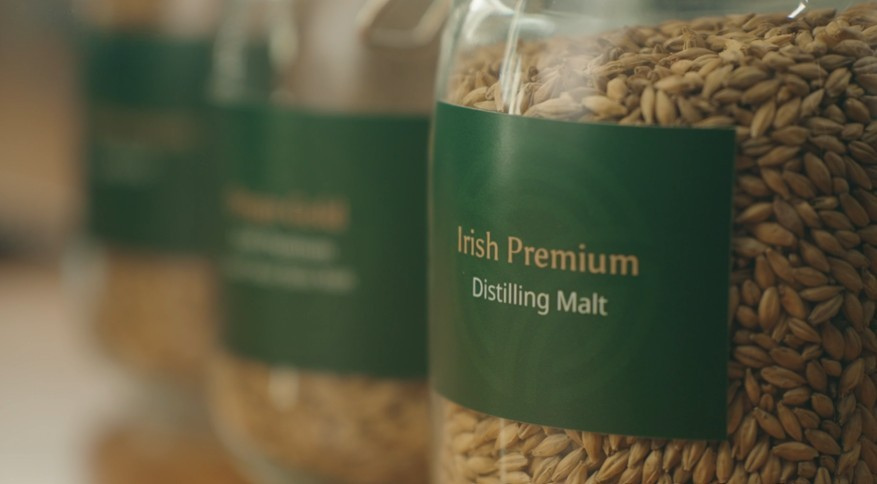
Decarbonising kilning with renewable gas
Kilning is the most energy intensive stage of malt production and requires sustained high temperature heat, which makes the choice of energy source critically important.
Through this project with Gas Networks Ireland, the Malting Company of Ireland is trialling biomethane to help decarbonise this process while maintaining the quality and consistency their customers expect. Because biomethane is fully compatible with existing equipment, it does not require capital investment or operational changes, allowing production to continue as normal. Biomethane is the a viable alternative to natural gas for the site and plays an important role in supporting the wider grain to glass journey with Ahascragh Distillery.
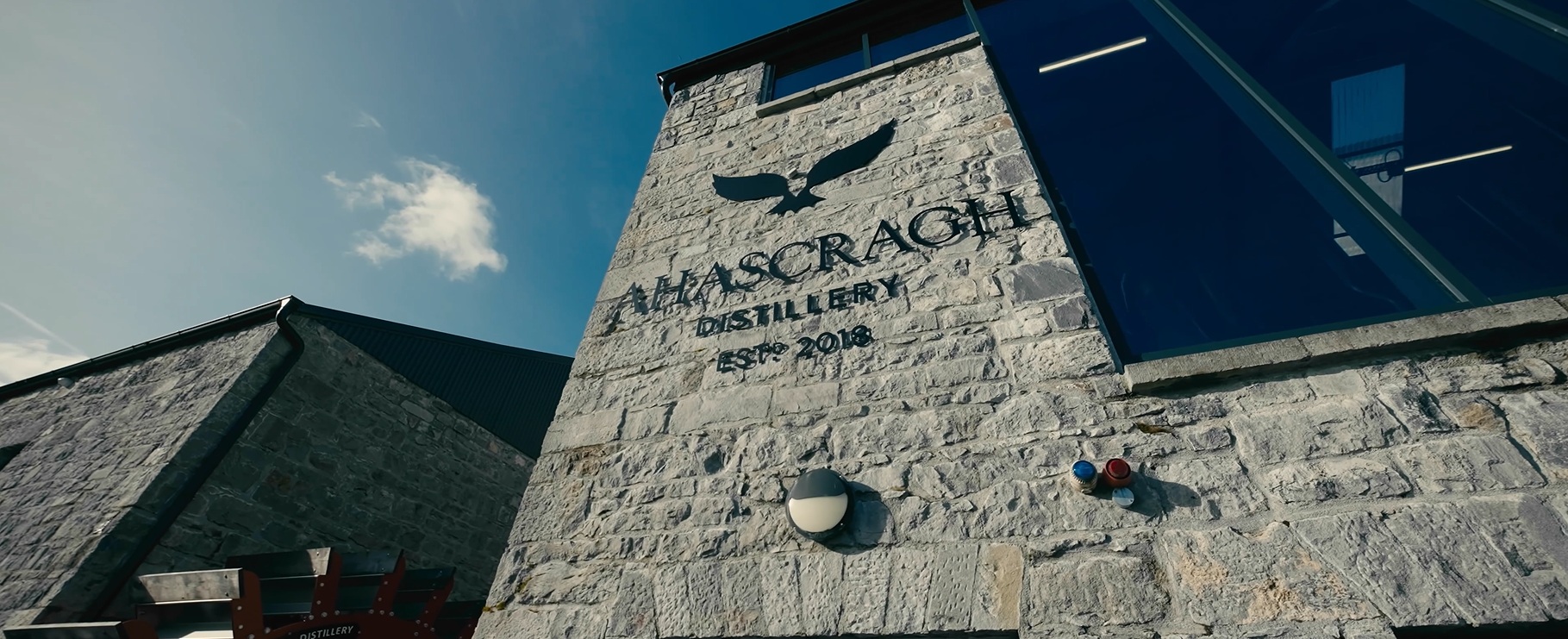
Advancing austainability across the supply chain
The partnership between the Malting Company of Ireland, Ahascragh Distillery and Gas Networks Ireland demonstrates how renewable gas can support real progress across the wider food, drink and agrifood sectors. By integrating biomethane into a critical heat process, the project shows a practical way for suppliers and producers to work together in reducing emissions while maintaining product quality and operational continuity.


